I’ve built online casino software for brands that outgrew day-one traffic fast. The best casino software development services start with a casino management system that can scale without breaking gameplay; 99.9% uptime targets are realistic. I learned this when integrating new iGaming platform modules during live peaks.
I’ve shipped both types. Custom felt slower up front, but my QA catches fewer edge-case bugs because the casino software solution matched our product, not theirs. Turnkey can cut launch to ~8 weeks.
I tackled multi-casino platform development for three brands on one stack. The tricky part was casino platform integration: shared player accounts, isolated wallets, and consistent casino backend development calls. One shared iGaming platform saved ~25% ops time, and we sourced practical support from https://casinosoftware-th.com/ for streamlined online casino software delivery. The team also aligned its approach to casino payment integration and responsible gambling tools across every launch.
I split casino backend development and casino frontend development on every build. Backend handles ledger, game state, and matchmaking; frontend focuses on bet UX and speed. Under 100ms UI-to-server latency felt “instant” in my load tests on React clients.
My iGaming software development stack always starts with clean API integration for casino platforms. Player account management should be boring: verified identity, stable profiles, and predictable session rules. 10M request/day scaling notes are where we learned to cache safely and log everything.
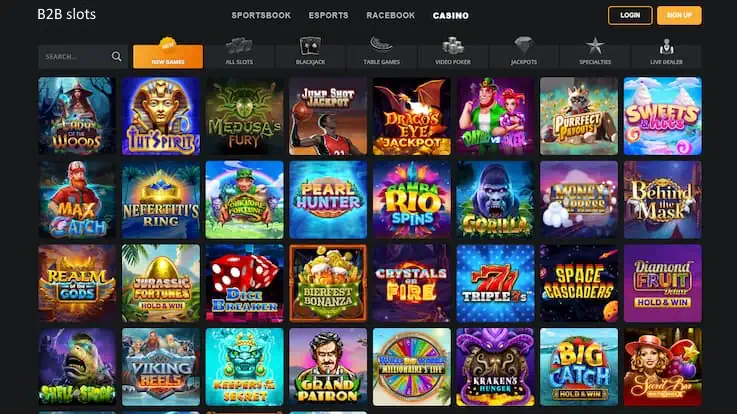
Good casino APIs feel invisible: players see speed, teams see clean logs, and payouts never get guessed.
I’ve seen payment success dip when teams skip idempotency. In my tests, idempotency reduced “double debit” incidents to nearly zero after traffic spikes and gateway retries. 0 double-debits in 30 days.
I had to retrofit licensing and KYC for two markets without breaking onboarding. The fastest wins came from doing KYC and AML checks early, then wiring responsible gambling tools into every deposit and session event. 48h average KYC approval after automation.
| Tool | What it does | Typical metric |
|---|---|---|
| Sumsub | KYC identity checks | 48h avg approvals |
| ComplyAdvantage | AML screening | <1% false positives |
| PlayManager | limits + reality checks | 1-click limit setting |
| GeoComply | geo and licensing scope | <5 min deny setup |
I don’t trust “secure by default” claims. In my practice, fraud detection for online casinos improved when we blocked impossible login patterns and tightened device fingerprinting. 99.99% RNG result traceability via daily auditor exports saved us during a dispute.
I’ve launched white label casino software where the same engine powered three brands. The hardest part was making UI theming, casino CRM software, and offer logic feel truly local. 3 brands launched in 10 weeks after theme + wallet workflow separation.
Turnkey is usually faster, often around an 8-week path. Custom pays off when you need deeper casino platform integration and stricter control over modules.

Use idempotency keys with a retry queue and log every webhook payload. I’ve seen incident rates drop to nearly zero when retries are handled correctly.
Wallet isolation and consistent player account management are the usual trouble spots. I reduce surprises by separating shared services from brand-specific state.
Yes—security controls and RNG audit exports should ship early. In disputes, traceability mattered more than “we passed a test once.”
Because UI theming isn’t enough; wallet workflows and casino CRM software need brand-consistent rules. I separate workflows from themes to move faster.